
Health, Safety, and Environment (HSE) Policy
At Folstaj International Limited, the health, safety, and well-being of our employees, contractors, clients, and the communities in which we operate are paramount. We also recognize our responsibility to protect the environment and promote sustainable practices in all aspects of our operations. This policy outlines our commitment to maintaining the highest standards in health, safety, and environmental management, ensuring that our operations are executed safely and responsibly.
1. Health & Safety of Personnel
We are committed to ensuring the safety, health, and welfare of all personnel involved in our operations, whether directly employed by Folstaj or affiliated contractors and third parties. Our approach to safeguarding personnel is grounded in proactive risk management, adherence to industry best practices, and compliance with all regulatory safety standards.
- Proactive Risk Identification and Management: We conduct thorough risk assessments and hazard identifications for all projects before work begins. By identifying potential risks and hazards early, we are able to implement appropriate control measures that minimize risks to personnel.
- Safety Training and Awareness: Every employee receives extensive and continuous safety training tailored to their roles and responsibilities. This includes training on the use of Personal Protective Equipment (PPE), emergency response procedures, hazard identification, and the promotion of a safety-first culture. Training programs are regularly updated to reflect new industry standards and emerging risks.
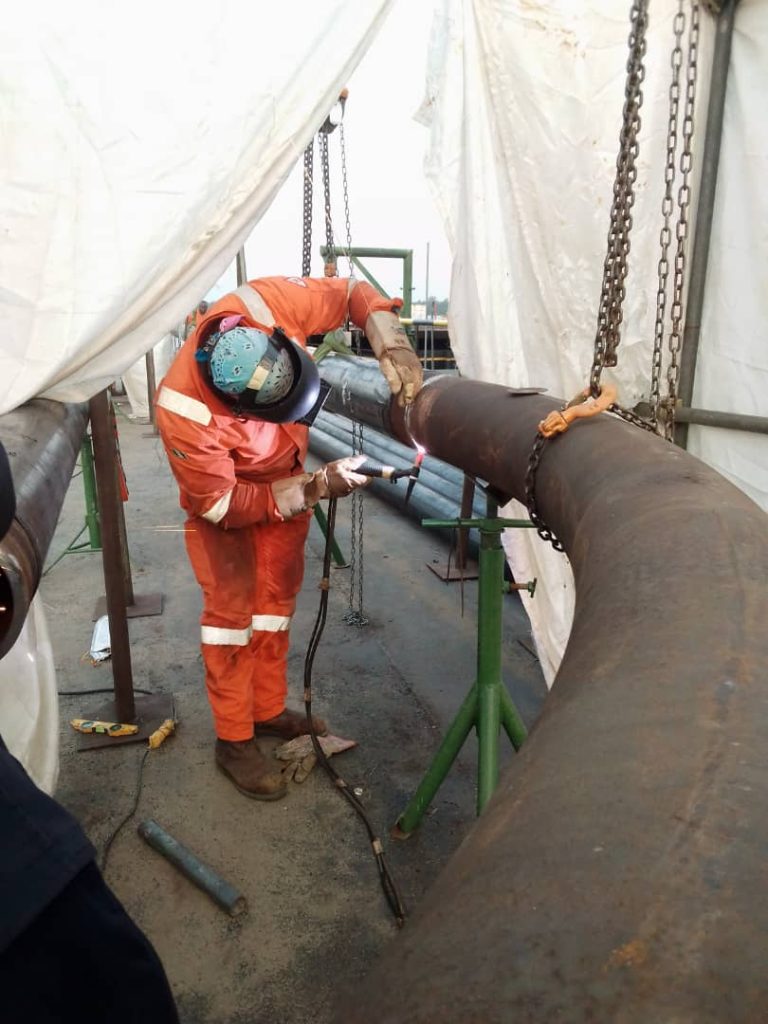
- Personal Protective Equipment (PPE): We are committed to providing all necessary PPE to our personnel, including hard hats, safety glasses, hearing protection, fire-resistant clothing, gloves, and respiratory protection. PPE usage is mandatory in all designated areas, and regular checks are conducted to ensure compliance and the proper maintenance of equipment.
- Safety Accountability: Every employee is responsible not only for their own safety but also for the safety of their colleagues. Supervisors and team leaders are tasked with reinforcing this culture of accountability through daily safety briefings, toolbox talks, and periodic safety drills.
- Incident Reporting and Investigation: In the event of any incident, near-miss, or unsafe condition, we have a transparent and immediate reporting system in place. All incidents are thoroughly investigated to determine root causes and corrective actions, ensuring lessons are learned and preventative measures are implemented.
- Occupational Health Programs: We provide comprehensive health assessments and medical screenings to ensure that our employees are fit for their respective roles. Additionally, we promote mental health awareness and provide support systems to manage stress, fatigue, and other occupational health risks.
2. Environmental Protection & Sustainability
At Folstaj International Limited, we are deeply committed to protecting the environment and ensuring the sustainability of our operations. We believe that economic growth and environmental stewardship must go hand in hand. Our environmental protection policies are designed to minimize the ecological impact of our activities and promote sustainable development.
- Environmental Impact Assessments: Prior to the commencement of any project, we perform detailed environmental impact assessments (EIA) to identify the potential environmental risks associated with our operations. These assessments guide the development of strategies and practices that mitigate adverse impacts on local ecosystems.
- Pollution Prevention and Waste Management: We actively work to reduce pollution in all forms—air, water, and soil. This includes implementing waste reduction strategies, such as recycling programs, safe disposal of hazardous materials, and minimizing emissions. All waste generated from our operations is managed in accordance with both local and international environmental regulations.
- Energy Efficiency and Resource Conservation: To reduce our environmental footprint, we employ energy-efficient practices, such as optimizing fuel consumption, reducing power usage, and implementing renewable energy where possible. We also focus on the efficient use of water and raw materials, ensuring minimal wastage.
- Environmental Training: Our personnel receive regular environmental training to raise awareness of their role in minimizing environmental impacts. This training includes guidance on waste management, spill prevention, and the responsible use of resources.
- Biodiversity and Ecosystem Protection: We are committed to protecting the biodiversity of the areas where we operate. By adopting eco-friendly construction and drilling practices, we aim to minimize habitat disruption, reduce noise pollution, and preserve local flora and fauna.
- Emergency Environmental Response: We maintain a robust emergency response plan to manage environmental incidents such as spills, leaks, or accidental emissions. These plans are routinely tested to ensure that our teams are fully prepared to handle emergencies with minimal environmental impact.
3. Safe Work Environment
At Folstaj International Limited, we believe that a safe working environment is the foundation of operational excellence. Creating a safe work environment is not only about compliance but also about fostering a culture where safety is a shared value.
- Risk Management Framework: We have implemented a comprehensive risk management framework to systematically identify, evaluate, and mitigate risks associated with our operations. This framework includes regular safety audits, inspections, and hazard assessments conducted at all project sites.
- Engineering Controls and Safety Technology: We use advanced engineering controls and technologies to enhance workplace safety. This includes the use of automated systems, remote monitoring, and predictive analytics to identify potential hazards before they pose a risk to personnel.
- Ergonomic Workspaces: We design workstations and work environments to be ergonomically sound, reducing the risk of musculoskeletal injuries. Our safety programs include training in proper lifting techniques, posture, and the use of tools designed to reduce strain.
- Emergency Preparedness and Response: A safe workplace is one that is prepared for emergencies. We have established emergency response procedures, including fire safety drills, evacuation plans, first-aid protocols, and chemical spill response training. Regular drills ensure that all employees are familiar with these procedures.
- Behavior-Based Safety: We emphasize behavior-based safety programs to encourage employees to take proactive steps in maintaining their own safety and that of their colleagues. This program includes observation, feedback, and positive reinforcement to drive safe behaviors in the workplace.
4. Mutual Respect & Collaboration with Host Communities
We understand the importance of maintaining a positive, respectful, and sustainable relationship with the communities in which we operate. Our goal is to engage with local communities, ensure their well-being, and minimize the social and environmental impact of our operations.
- Community Engagement: We actively engage with host communities through open and transparent communication. This includes regular meetings with local stakeholders, community leaders, and residents to understand their concerns and expectations, and to keep them informed about our operations.
- Employment and Economic Benefits: We are committed to contributing to the economic development of our host communities. This includes prioritizing local hiring and offering vocational training programs to equip local workers with the skills necessary for employment in our operations.
- Corporate Social Responsibility (CSR) Initiatives: We invest in the well-being of our host communities through various CSR initiatives, including infrastructure development, education programs, healthcare support, and environmental conservation projects.
- Environmental Stewardship in Host Communities: We work closely with local communities to ensure that our environmental policies align with their needs. This includes addressing concerns related to noise pollution, air quality, water use, and waste disposal.
5. Continuous Improvement & Accountability
At Folstaj International Limited, we view Health, Safety, and Environmental (HSE) Management as an evolving process that requires continuous improvement. We are committed to regularly reviewing and updating our HSE policies and procedures to align with industry advancements and regulatory changes.
- Performance Monitoring and Metrics: We set clear HSE performance targets, which are tracked through key performance indicators (KPIs). These metrics are reviewed on a regular basis to identify areas for improvement and to ensure that our HSE objectives are met.
- Audits and Compliance Checks: Regular internal and external HSE audits are conducted to evaluate our compliance with applicable laws, standards, and regulations. These audits help us identify non-conformities and implement corrective actions swiftly.
- Feedback and Reporting: We encourage open communication within the organization and provide channels for employees to report safety concerns, environmental risks, and improvement opportunities without fear of retaliation.
- Learning from Incidents: Every incident, whether minor or major, presents an opportunity for learning. We conduct detailed investigations of all incidents to understand their root causes and implement corrective actions to prevent recurrence.
6. Leadership Commitment
The leadership of Folstaj International Limited is unwavering in its commitment to HSE excellence. We believe that strong leadership is essential to cultivating a positive safety culture and driving sustainable business success.
- Visible Safety Leadership: Our leaders take an active and visible role in promoting safety by conducting regular safety inspections, attending toolbox talks, and engaging directly with employees on HSE matters.
- Resource Allocation: Management ensures that adequate resources—personnel, equipment, and finances—are allocated to support HSE initiatives, ensuring that safety is never compromised for productivity.
HSE as a Business Priority: Health, Safety, and Environmental considerations are integral to all decision-making processes, from project planning to execution. HSE performance is a key metric in evaluating the success of our operations